On saying no in a single paragraph
We turn down most of the work we are offered. A short note on how we do that — what the paragraph contains, what it leaves out, and why the paragraph itself has become a small part of the studio's reputation.
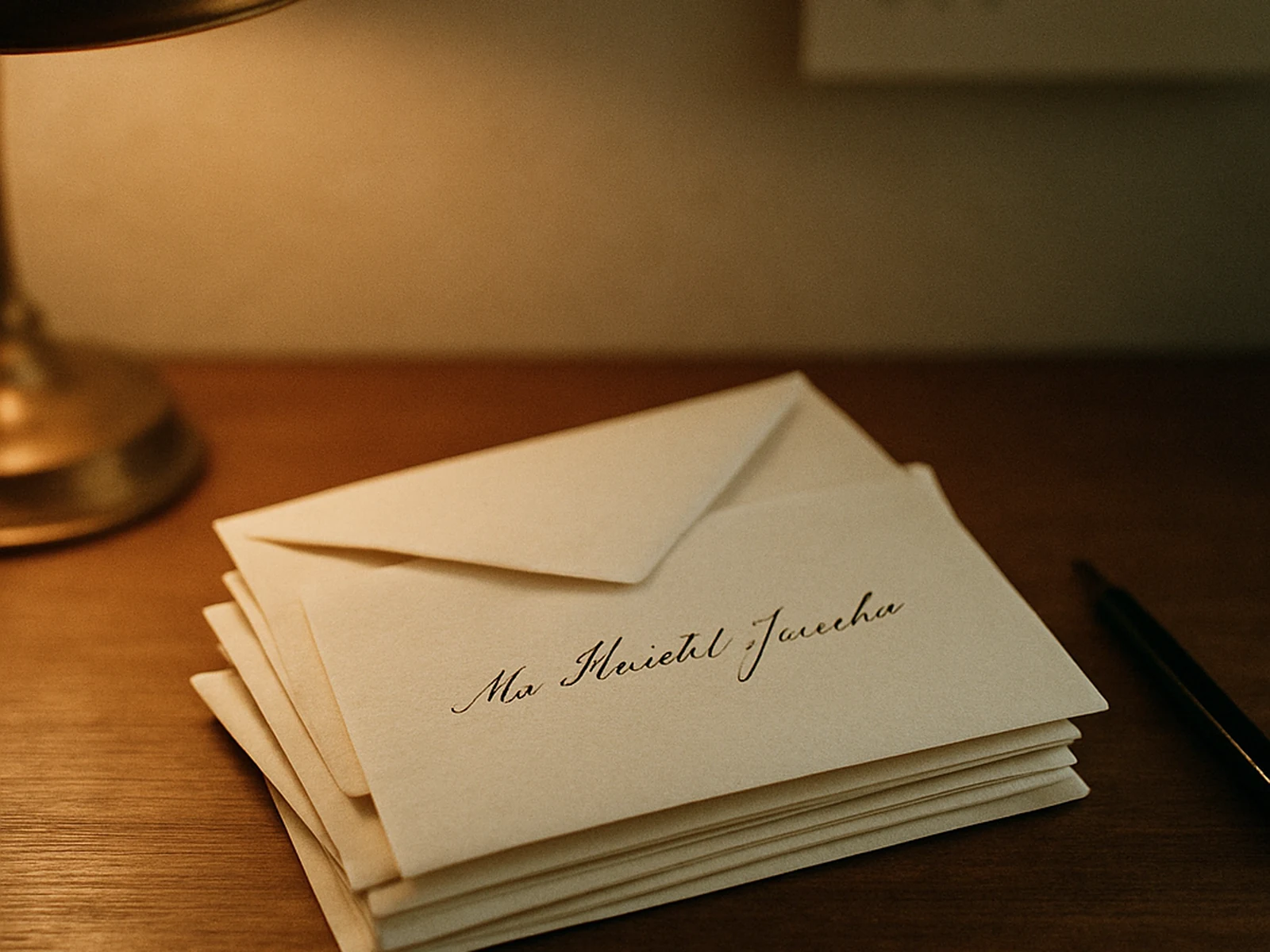
The studio is asked about ninety briefs a year. The studio takes about twenty. The seventy briefs we do not take are, for the most part, briefs we do not take for ordinary reasons — capacity, fit, the engagement would be better served by a different studio, the budget will not stretch to the work the client actually needs. Every one of them gets a written reply. Every reply is a single paragraph. That paragraph has become, by accident more than by design, a small part of the studio's reputation.
The paragraph follows a structure. It opens by thanking the brief for being clear, and naming what it is clear about; this is the cheapest editorial gift we can give and it costs us nothing. It then names the reason we are saying no, in a single sentence, without softening it. It then names, in the third sentence, who we think would do the work well — a freelance writer, a competing studio, an in-house hire of a particular profile — with the explicit acknowledgement that the recommendation is not a commission and is freely declinable. It closes with an invitation to come back in twelve months if the situation has changed.
The structure is not negotiable internally. Every one of us has tried, in our first months at the studio, to soften the second sentence. The softening has, in every case, produced a longer paragraph that did not say no as clearly. The longer paragraph is worse for the recipient because the recipient now has to read between the lines to know that the answer is no; it is worse for us because we now have to write a second paragraph when the recipient asks us, politely, to clarify. The shortest no is the kindest no.
"On saying no in a single paragraph" Mikael Aho · May 2025
The reason the paragraph has become part of the studio's reputation is, I think, that almost no one else in our industry writes one. Most agencies do not reply to briefs they do not want; the silence is the response. A meaningful minority reply with a sales-friendly version of "not the right fit at this time", which carries no information and invites no useful next move. The studio paragraph carries information, points at a useful next move, and ends. It takes fifteen minutes to write. Every one of us writes it because we believe the recipient, even unsuccessful, deserves the paragraph.